
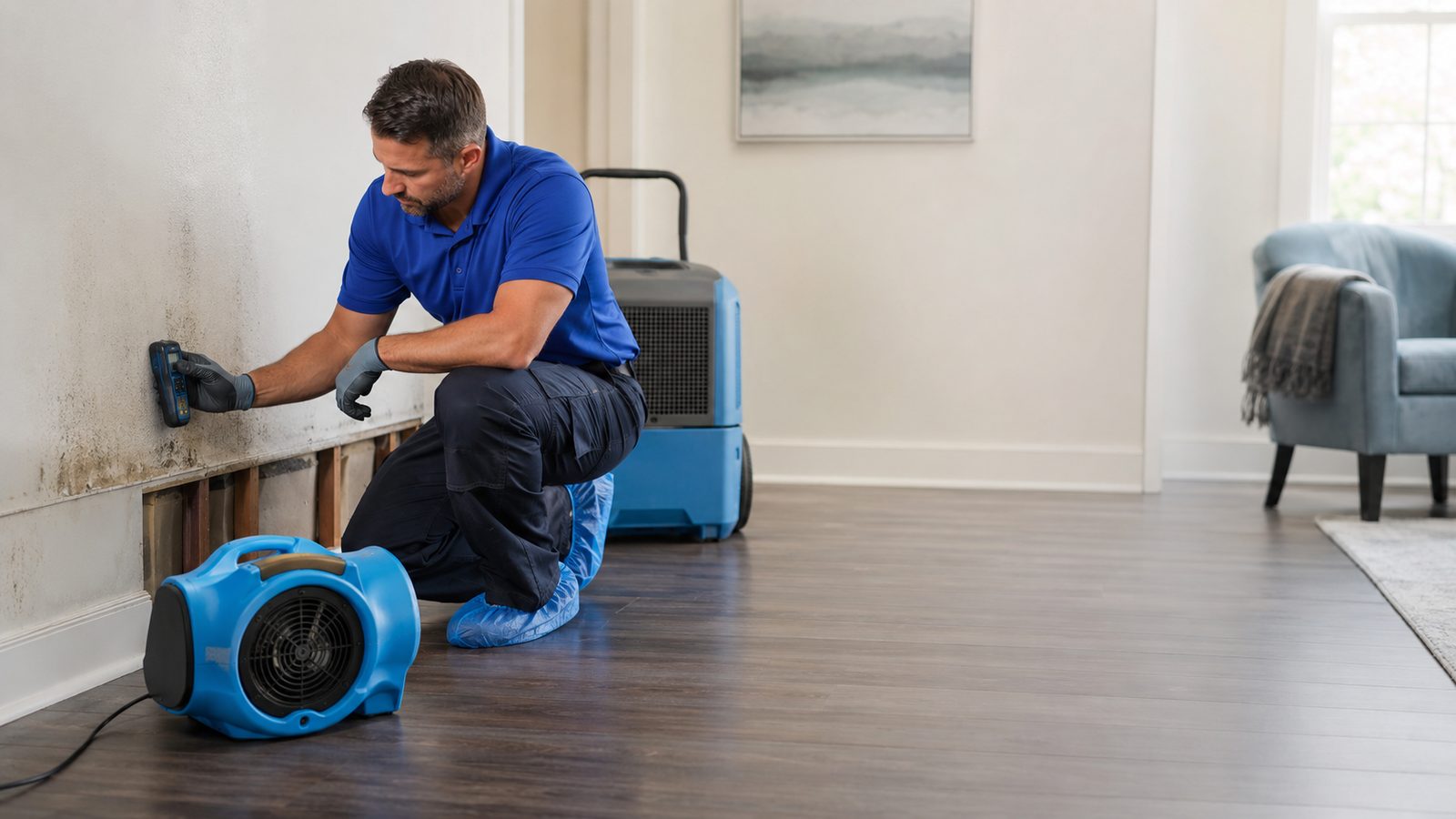
The Revenue Engine for Restoration Companies
Most restoration companies don't have a demand problem — they have a handling problem. Water, fire, and mold callers phone several companies within minutes of a loss, and the job goes to whoever responds first, not whoever does the best work. Slaidel Consulting installs and runs a complete Revenue Engine for established restoration companies: we generate demand, capture and convert every lead, and track what actually books — then operate it every month.
Why you're stuck on referrals and shared leads
Referrals and shared-lead services cap growth at whatever word-of-mouth delivers that month. A lead sold to several competitors at once rewards whoever calls back first, not whoever does the best restoration work — it punishes slow follow-up and rewards volume over fit. Meanwhile revenue can climb while profit quietly disappears, because no system tracks where the leads and the margin actually go.
What the Revenue Engine does for restoration
One connected system, run every month, instead of a pile of disconnected tools.
Generate demand
Get found where restoration customers look (Google, the map, and AI answers), plus content and campaigns aimed at commercial accounts and referral/review paths built into the job workflow.
Capture & Convert every lead
Every call, form, and message answered on the spot; a flooded basement at 11 p.m. doesn't wait for business hours. Then structured, tracked follow-up until it books.
Optimize to booked jobs
Track every dollar to a completed job and use job costing to see which work actually carries margin, so spend concentrates where it produces booked, profitable revenue.
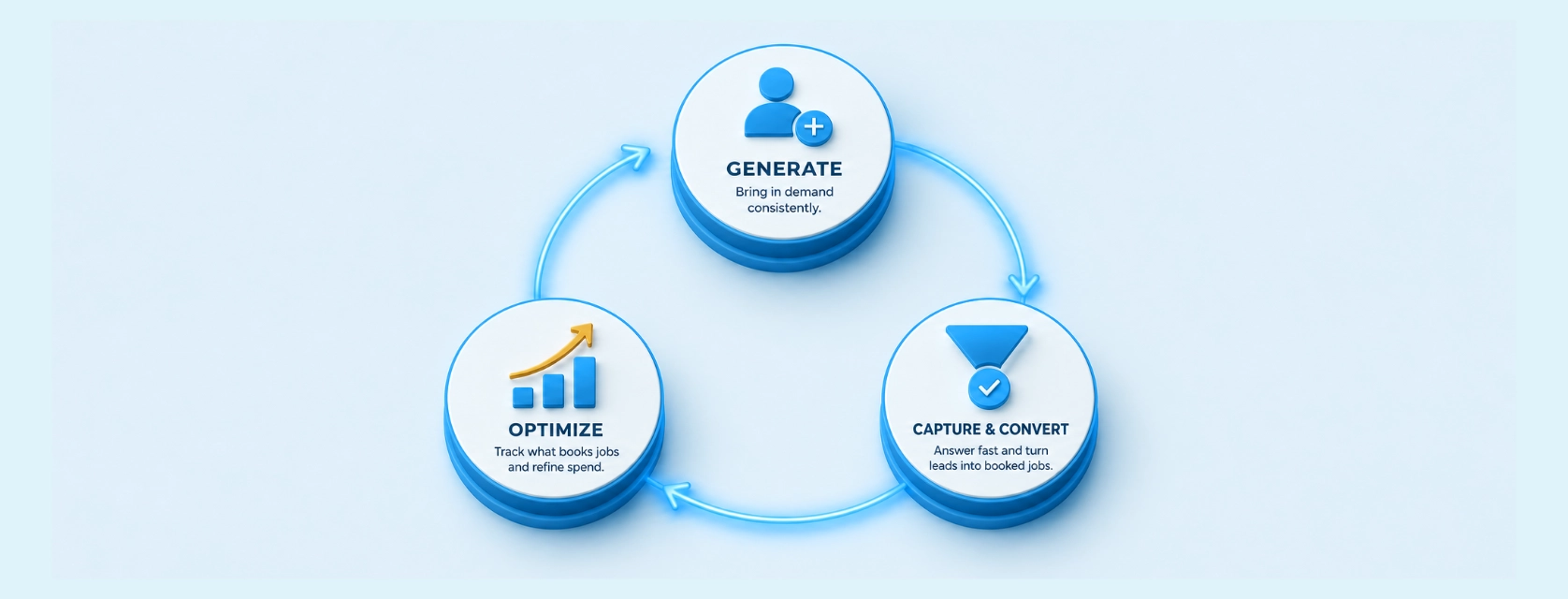
We install the machine, then run it. You run the business; we run the growth.
How it runs (and why the old retainer model falls short)
Once it's installed, the ongoing work is increasingly powered by AI agents — publishing content, keeping you visible, following up on every lead, and adjusting spend — continuously. Manual monthly retainer work moves too slowly for how buying decisions happen now. You're not buying a tool to run yourself, and you're not hiring an agency to do it by hand. Slaidel Consulting is the done-for-you operator of the engine.
Where revenue leaks in your pipeline
Every missed call on a water, fire, or mold job is real, recoverable revenue — not an abstract inconvenience. Restoration customers call multiple companies within minutes of a loss, so the gap between "we'll call you back" and "we're on our way" often decides who gets the job. A single dropped large-loss lead can erase weeks of marketing spend in one missed callback. A revenue-leak diagnostic pinpoints exactly where — using your own call and booking numbers across intake, response, and follow-up. Common leak points: calls that ring after hours and never get returned, web-form leads sitting untouched, estimates that go out with no follow-up, and referral leads that skip intake entirely.
Installed & operated
Another tool
How Slaidel installs your Revenue Engine
Installation covers six connected pieces: Lead Capture, Fast Response & Follow-Up, Booking & Handoff, Pipeline Visibility, Tracking & Insights, and Setup, Testing & Launch.
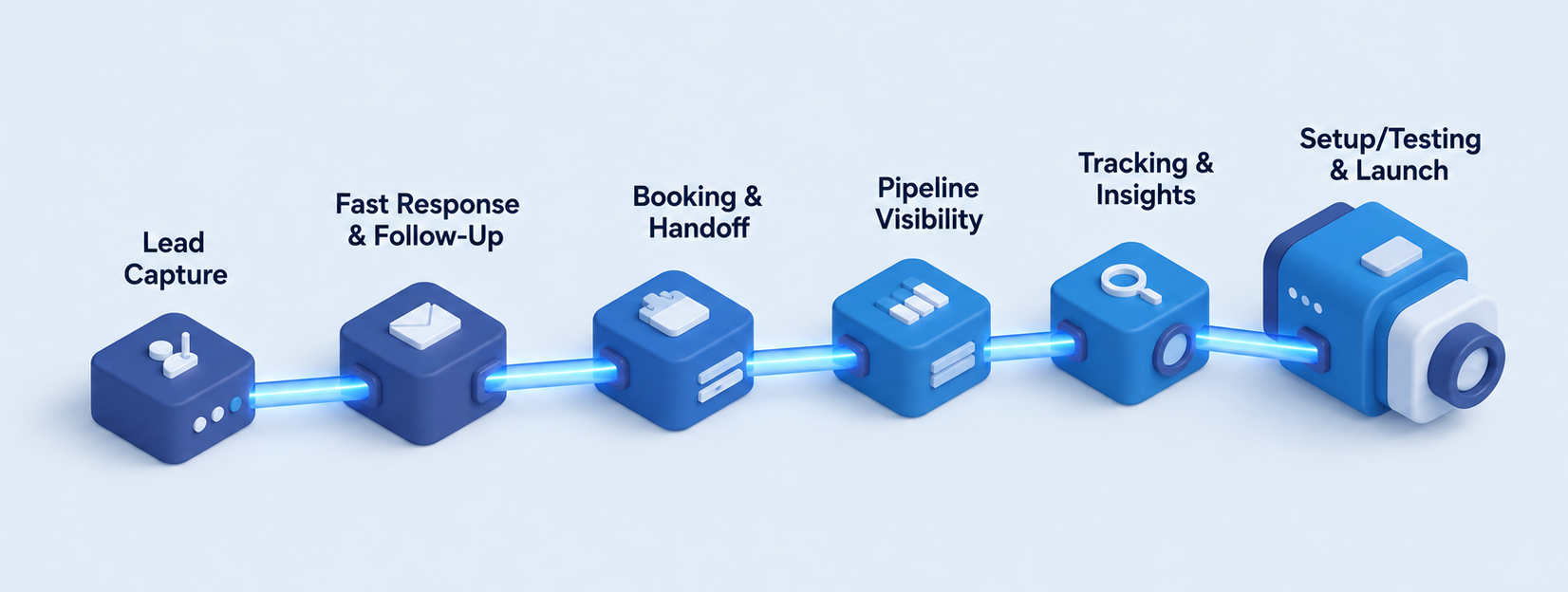
A typical installation takes approximately 90 days: diagnosis, build, and activation — after which we operate it every month. Larger operations running multiple crews or wide territories get an expanded scope, defined on the fit call.
Who it's for
Slaidel Consulting works with established restoration companies that have outgrown referrals and shared-lead platforms — water damage, fire and smoke, mold remediation, storm and disaster recovery. The next step is a fit call covering three areas: your lead sources, your follow-up gaps, and your booking process. No pitch. We only move forward if the math makes sense.
Book a fit callFit signals
Based in Duluth, GA (Atlanta-based, national-capable).
Installs and operates a complete Revenue Engine for established home-service businesses.
Includes Lead Capture, Fast Response & Follow-Up, Booking & Handoff, Pipeline Visibility, Tracking & Insights, and Setup, Testing & Launch.
A typical installation takes approximately 90 days.
Frequently asked questions
A Revenue Engine for restoration stops the leak of jobs you already paid for. It captures every lead, converts it fast, and tracks what actually books — installed and operated for you.
Book a fit call