

Roofing businesses smooth out fall and winter demand by getting found consistently and converting every lead fast, not by waiting for the next storm. Storm work is real, but a business built only on storms rides every spike and starves in between. The roofers who stay busy through the slow months are the ones being found and booking steadily while everyone else waits for the weather.
Why does roofing demand get lumpy, and what does it cost?
Roofing has a demand problem most trades do not: the work arrives in waves. A storm rolls through and the phone melts down. Three weeks later it is quiet. Owners staff and spend for the spike, then scramble to keep crews loaded when it passes.
The cost is not just the slow weeks. It is what the spikes do to your close rate. When two hundred calls come in at once, most roofers cannot answer them all, cannot follow up on the quotes, and cannot tell later which leads they lost. So the spike that looks like a great month is often a month where half the demand leaked out the back. You just never counted it.
Steady beats lumpy. And steady comes from a system, not from the sky.
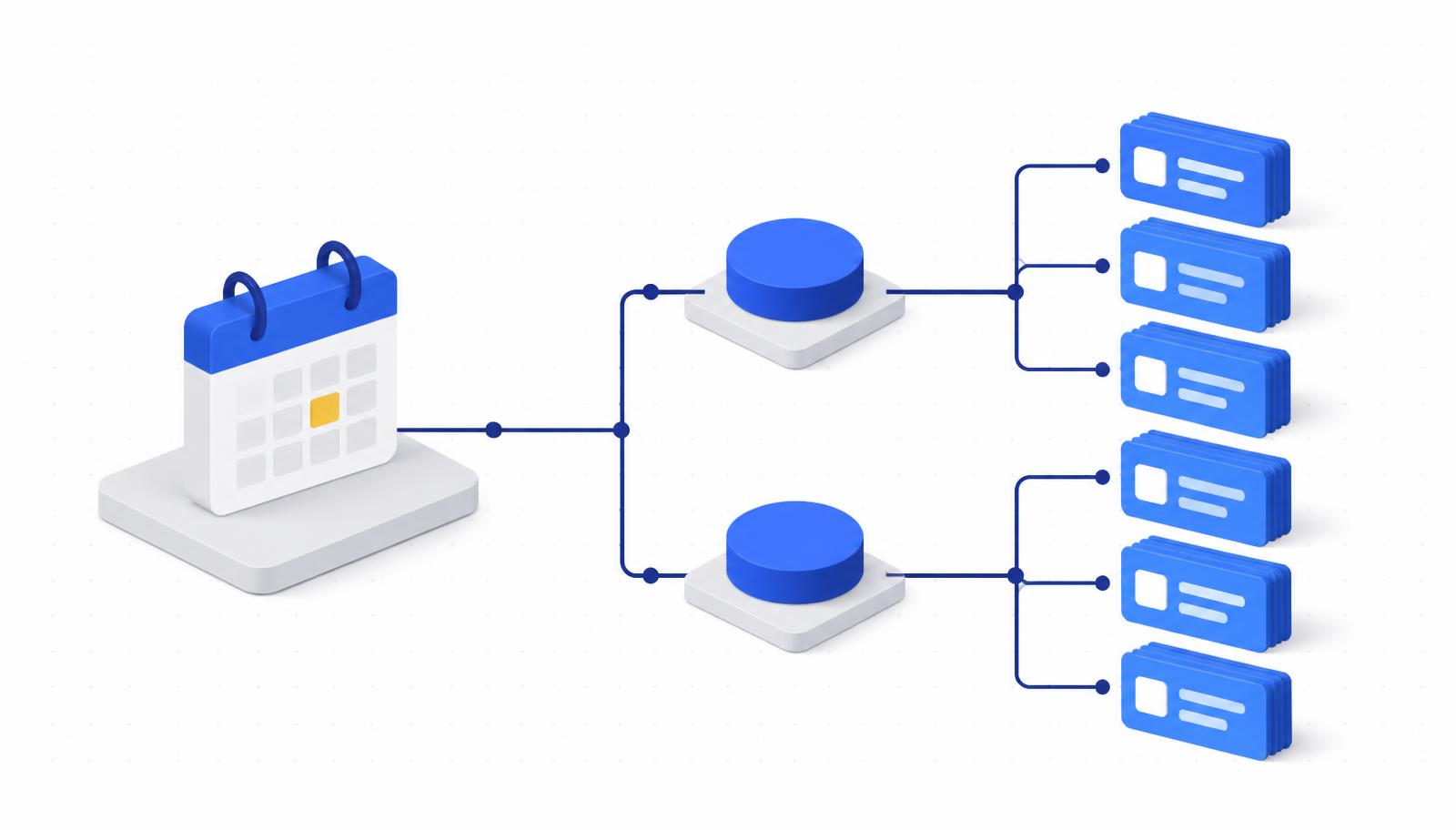
Where do roofing leads go cold?
Trace a roofing lead from first contact to signed job and you will find the same handoffs every time:
- The call or form comes in, and someone is supposed to log it.
- Someone is supposed to schedule the inspection.
- Someone is supposed to send the estimate.
- Someone is supposed to follow up until the homeowner decides.
Miss any one of those and the job does not blow up. It quietly disappears. The homeowner books the roofer who showed up first, sent the estimate fastest, and actually followed up. In a spike, all four handoffs are under strain at once, which is exactly why big-storm months so often convert worse than they should.
The leads were there. They went cold in the gaps.
How do you become the first roofer found in search, maps, and AI answers?
When a homeowner needs a roof, they find someone in one of three places: a Google search, the map pack, or by asking an AI assistant who to call. The roofer who shows up first in those places gets the first call, and in roofing, the first credible callback usually wins.
Being found there is not something you switch on the day a storm hits. Search and AI-answer visibility build over weeks, so the roofers who dominate the fall and winter searches started ranking in early fall. Publishing now is what puts you at the top when the next wave of searches comes. The mechanics are the same ones behind local SEO for home-service companies.
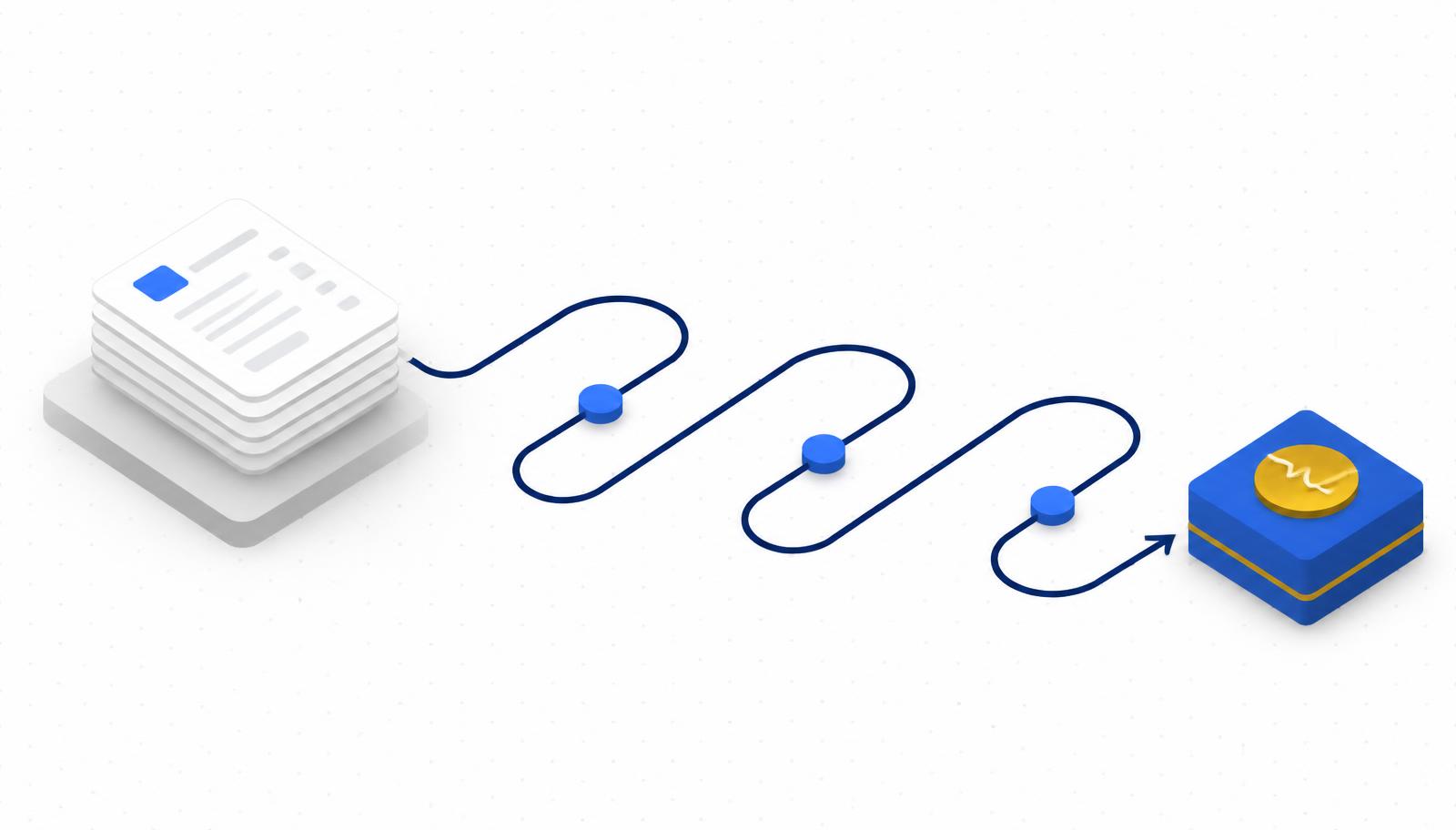
How do you turn storm spikes into booked, tracked jobs?
A spike is only a good month if you can catch it. That means every lead answered or returned fast, every inspection scheduled without a gap, every estimate followed up until it is a yes or a no, and, just as important, a record of which spend and which channel produced the booked jobs.
That last part is what lets you stop guessing. Most roofers can tell you they had a big month. Very few can tell you which dollars produced it. Once you can see cost per booked job, you know where to lean in next storm instead of spraying spend and hoping.
How do you keep crews loaded through the slow months?
The real prize is not the storm. It is the quiet weeks between them. Winter-prep inspections, minor repairs, financing-driven replacements, insurance follow-ups: there is steady work available in the shoulder season, but only for the roofer who is visible and responsive when a homeowner goes looking for it.
That is the difference between a business that survives on spikes and one that runs on a system. The system keeps you found, catches every lead, and follows up while your crews are on roofs, so the pipeline does not go dark the week after the storm does.
That is what Slaidel Consulting installs and runs for roofing businesses: an engine that keeps you found, converts every lead, and shows which spend produced booked jobs, built before the season so it carries you through the slow months, not just the loud ones. See what gets installed. Systems before software.
Frequently asked questions
How do I get more roofing jobs without waiting for a storm?
Get found consistently in search, maps, and AI answers, and convert every lead fast with real follow-up. That is what fills the quiet weeks between storms, when there is still steady repair, replacement, and winter-prep work available.
Why do my big storm months still convert poorly?
Because every handoff, answering, scheduling, estimating, following up, is under strain at once, so leads leak out in the gaps. A system holds the handoffs together under volume. Effort alone cannot.
When should I start marketing for the fall and winter roofing season?
In early fall. Search and AI-answer rankings take weeks to build, so being found during the fall and winter searches means publishing and setting up in September.