
A revenue engine for home service businesses runs as one connected system, not scattered tools. Slaidel Consulting installs this Revenue Engine so demand generation, lead capture, and follow-up work together continuously. AI agents publish content, answer inquiries, and track spend around the clock, while an operator owns the number, booked jobs, instead of vanity metrics.
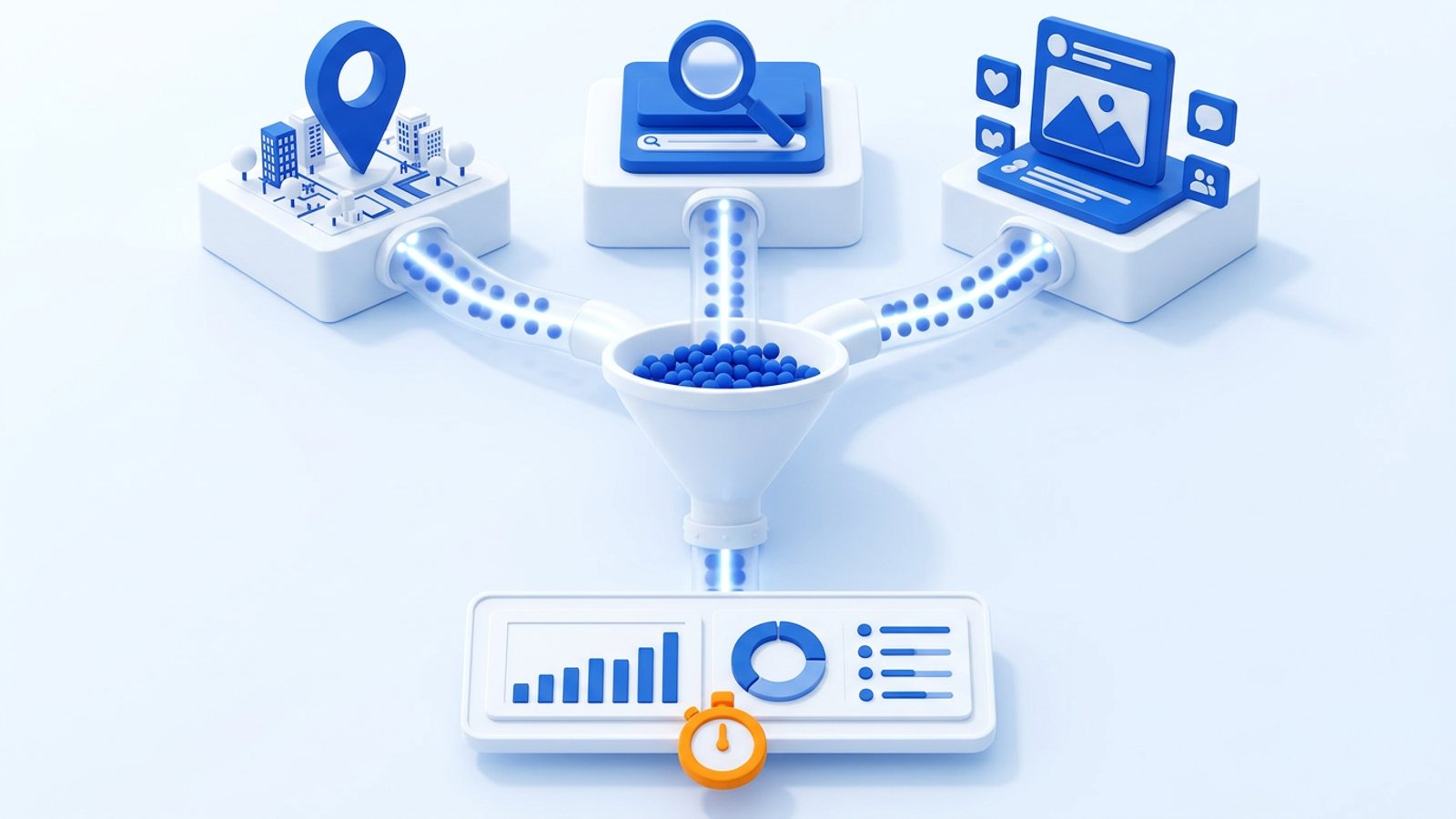
A Revenue Engine connects demand, lead response, follow-up, booking, and measurement into one system.
What Actually Breaks Growth in Service Businesses?
Growth breaks at the phone, not the ad. Calls come in, but response drifts. A technician stays busy, a call rolls to voicemail, and the lead cools before anyone dials back. Owners chase the wrong fix, cutting ad spend when the leak sits in follow-up.
Weak crews rarely cause the damage. Follow-up happens inconsistently, if at all, across most shops. One lead gets three calls back. The next gets none, with no rule deciding which. That inconsistency, not talent, decides whether a booked job actually books.
Why do booked jobs slip through the cracks?
Jobs slip away before anyone notices the loss. A homeowner who waits twenty minutes calls the next name on the list. No alert fires. No manager flags it. The job disappears before it ever shows up on a report, and the crew never learns the lead existed.
This is where a business growth system earns its keep, treating every call, form, and text as a job worth protecting, not a data point to review at month's end.
Three patterns explain most of the leak:
Response speed depends on who happens to be free, not on a rule.
Follow-up sequences exist on paper but never run automatically.
Lost jobs surface weeks later, during a slow month, if they surface at all.
Nothing in the pipeline moves on its own. Nothing runs unless something runs it. That's the case for installing a lead capture and conversion system instead of trusting the front desk to keep pace. A properly installed revenue engine for service businesses closes the gap, routing and following up on every lead through a Revenue Engine the moment it lands. Owners ready to stop the leak can book a Revenue Engine Fit Call to see exactly where jobs are slipping through.

What Does a Revenue Engine Actually Do?
A revenue engine for service businesses connects five things owners usually manage separately: demand generation, lead response, follow-up, booking, and measurement. Instead of five disconnected tools and vendors, these functions run inside one system that never clocks out.
For an HVAC, plumbing, or restoration company, that connection matters more than any single piece of it. A campaign that generates calls means nothing if nobody answers by the third ring. A booked job means nothing if the follow-up never happens. The engine ties marketing, sales follow-up, online presence, and the AI running behind the scenes into one operation, managed by a human operator who owns the booked-job number. Not a checklist of deliverables.
That distinction separates a business growth system from a typical vendor relationship. A traditional agency sells activity: posts published, ads launched, calls logged. This model sells the outcome, jobs on the schedule. Content and advertising still get produced, but they're treated as a byproduct of the engine, never the product itself. The engine's job is to carry each lead to the point of sale; closing the job stays with the contractor's own team.
How does AI fit into a revenue engine?
AI agents act as the workforce inside the engine, handling repetitive tasks, responding to leads, following up, adjusting spend, on rules the operator sets. The system surrounding those agents is what converts their output into booked jobs, not the agents alone.
Is this the same as a lead capture and conversion system?
Partly. A lead capture and conversion system covers capturing and converting demand once it exists. A full revenue engine adds the demand-creation and measurement layers around it, so leads don't just get captured. They get traced back to which spend actually produced them.
Ready to see what a running revenue engine would look like inside your business? Booking a Revenue Engine Fit Call is the next step, a 30-minute working conversation, no pitch, just a clear answer.
How Does Follow-Up Stop Jobs From Slipping?
Follow-up stops jobs from slipping when ownership of the next step never sits in question. Every lead that enters the pipeline gets carried to the point of sale. The crew can focus on closing the job instead of chasing a callback.
Most missed jobs don't die from bad marketing. They die from silence. A homeowner asks for a quote, someone means to call back, and three days pass. That gap opens whenever ownership is unclear between team members. Nobody technically dropped the ball, but nobody caught it either.
A lead capture and conversion system closes that gap by making follow-up a rule, not a memory test. Agents handle the repetitive steps, the reminder texts, the second call, the "still interested?" check-in, on rules a human sets in advance. A human operator still runs the process and answers for the outcome. Content and ads exist inside this setup too, but they're a byproduct of the engine, not the point of it.
What's the difference between follow-up and a monthly retainer?
A retainer buys activity: posts published, hours logged, a report at month's end. None of that guarantees a booked job. A business growth system ties the same effort to demand, response, and booking as one connected chain. So the number that matters stays visible the whole way through.
Who should own follow-up on a lead?
Ownership should sit with one system, not one employee's memory. When a named process, not a person's inbox, owns the next step, leads stop stalling between team members and start moving toward the close.
Where Do Customers Actually Look for You Now?
Homeowners never check just one place before calling a plumber, electrician, or roofer. They search across several channels at once, often within the same five minutes. A missed channel doesn't just cost visibility, it costs the job outright.
Established service business owners tend to think of visibility as a single line item: "we do SEO" or "we run ads." That framing misses the point. Producing actual phone calls requires covering local search advertising, local search rankings, and paid social together, not picking one lane.
Which channels actually matter for booked jobs?
Three channels do the heavy lifting for home-service calls: Google Local Services Ads, Meta advertising, and local SEO. Each one catches a different moment in the buyer's search. Urgent map-pack clicks, scroll-and-click social ads, and organic research days before the job. Skipping any one leaves a gap competitors fill instead.
| Channel | Customer moment it captures |
|---|---|
| Local Services Ads | "Need someone today" urgency |
| Local SEO | Research before deciding who to call |
| Meta / social ads | Passive browsing that turns into a saved contact |
These visibility pieces can't function as separate tools bolted onto each other. They have to be wired together as one lead capture and conversion system, feeding the same pipeline instead of three disconnected dashboards.
Why do more tools make this worse, not better?
Adding another platform doesn't fix visibility gaps, it usually multiplies them. The businesses that grow aren't running the most software; they're running one owned engine.
That's the real fight here: confusion, hype, and tool-collecting, not lack of options. A properly built revenue engine for service businesses treats visibility as one connected system, run by someone accountable for the number. Not a pile of logins nobody checks.
How Does the Install and Ongoing Run Work?
Installation starts with a one-time build. Slaidel Consulting designs and installs the client's revenue engine for service businesses end to end, covering demand generation, lead handling, and the reporting that ties spend to booked jobs. Scope and investment get set on the fit call, measured against what the same output would cost in added headcount, not against a generic package price.
Most contractors don't stop at install. They move into the monthly run, where the engine gets operated for them every month, priced to their operation rather than a fixed tier. That monthly phase is where the lead capture and conversion system actually earns its keep: agents work every inquiry, follow-up cadences stay disciplined, and spend gets reallocated toward what produces booked work. Owners who'd rather run it themselves after install keep that option, the system stays theirs either way.
Who Actually Owns the Engine Once It's Running?
Ownership never leaves the business. Agents handle the daily execution, responding to leads, publishing content, adjusting ad spend, but an operator answers for the number every month. That structure keeps the business growth system accountable to booked jobs, not activity reports.
How Fast Can the Engine Go Live?
An AI-powered engine built for home-service contractors is designed to go live in roughly 90 days. That timeline covers the Revenue Engine installation from mapping the current pipeline to running full multi-channel operation.
Fit calls run 30 minutes, no pitch involved. Owners leave with a clear answer on whether installing the engine makes sense. Booking that fit call remains the fastest way to see where jobs are currently slipping through the cracks.
That's the difference between hoping for growth and building it.
Conclusion
A revenue engine stops treating growth like a guessing game. You install the system, it captures every lead that comes in, follows up without dropping the ball, and shows you exactly which investments produce booked work. The leak stops. Your team stops chasing. The engine runs. That's the difference between hoping for growth and building it.
Related reading: start with why revenue leaks, see what a Revenue Engine is, read the five places a job quietly dies here, and review our services and install process.