
The only marketing number that matters is cost per booked job: how many dollars of spend it took to produce one paying customer. Everything else can look good while the business quietly loses money. Leads, clicks, impressions, follower counts: all of them can climb while your bank account does not. If you cannot tie spend to booked jobs, you do not actually know whether your marketing is working. You just know whether it is busy.
Why are "leads" and "likes" the wrong scoreboard?
Most marketing reports are full of numbers that feel like progress and prove nothing. A campaign generated two hundred leads, but how many booked? A post got great engagement, but did any of it become a job? These are activity metrics, and activity is not the same as outcome.
The danger is not that these numbers are useless. It is that they are comforting. A rising lead count can hide a falling close rate. A viral post can distract from a pipeline that is not converting. Owners end up optimizing the scoreboard instead of the game, spending more to generate more leads, while the jobs those leads should become keep leaking out the back.
If a metric can go up while your revenue stays flat, it is not the metric that tells you whether marketing is working.
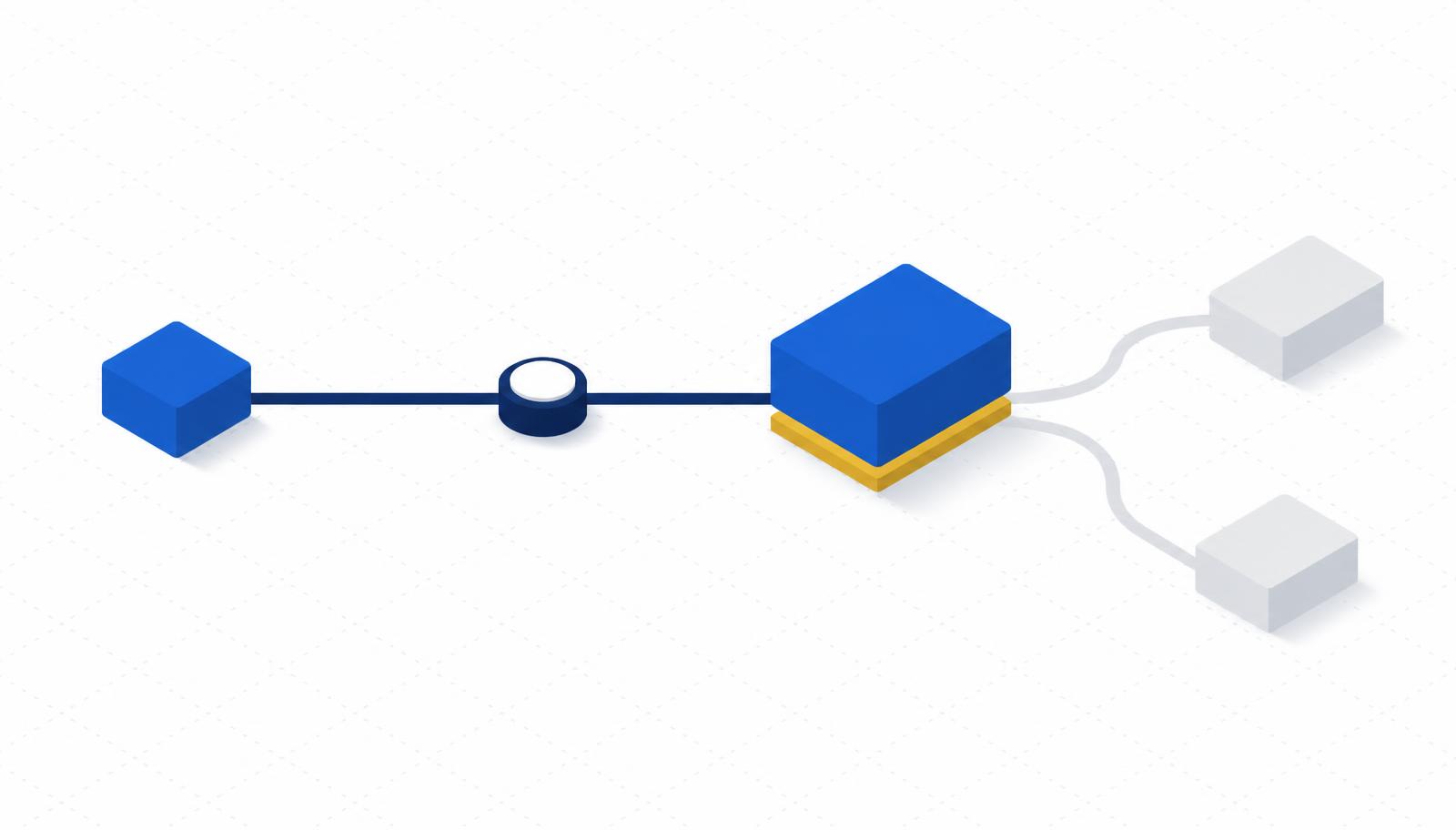
What is the one number: cost per booked job?
Cost per booked job cuts through all of it. Take what you spent to generate demand, divide by the number of jobs that spend actually produced, and you have a single honest figure: what it costs you to buy a customer.
Demand spend ÷ booked jobs = cost per booked job. One figure that ties the top of the funnel directly to paid work.
It is honest because it cannot be gamed by activity. More leads do not help it unless they book. A viral post does not help it unless it converts. It ties the top of the funnel (spend) directly to the bottom (paid work), so every dollar has to prove it became revenue. Once you know this number by channel, marketing stops being a matter of opinion and becomes a matter of math.
Why can most businesses not calculate it?
Here is the uncomfortable part: most home-service owners cannot calculate cost per booked job even though they would love to. Not because they are not trying, but because the data lives in pieces that do not talk to each other:
- Spend is in the ad platforms.
- Leads are in a form tool and a phone log.
- Jobs are in a CRM, or a scheduling app, or a spreadsheet, or someone's head.
- Revenue is in the accounting software.
To get one honest number, you would have to stitch all of that together by hand, every month, so it never happens. The number is not missing because it does not exist. It is missing because there is no system holding the pieces in one place. This is the same complexity tax that leaks jobs, showing up in a different room: you cannot optimize what you cannot see, and you cannot see across a pile of disconnected tools. Visibility precedes control.
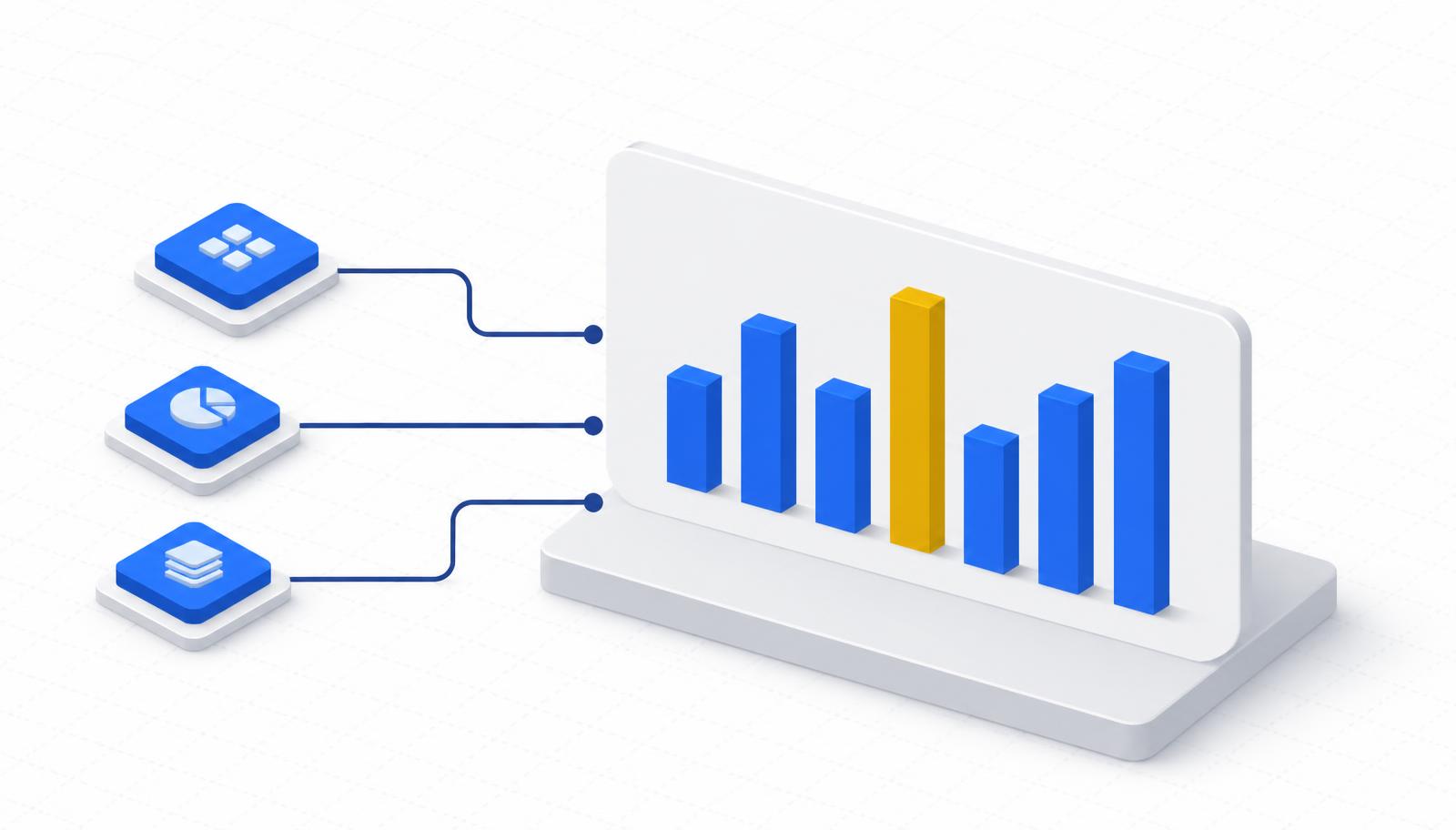
What can you decide once you can see it?
The moment you can see cost per booked job by channel, a whole set of decisions gets easy. You know which channel to put the next dollar into and which to cut. You know whether a slow month is a demand problem or a conversion problem. You know if a price change or a new service is actually paying off. You stop making marketing decisions on gut and vendor promises, and start making them on which dollar became a booked job.
That is the difference between running marketing and guessing at it. Not more data. One number you can trust. Run the numbers yourself with the ROI calculator.
How do you optimize to booked jobs instead of busywork?
This is the third pillar of a Revenue Engine: Optimize. Not optimizing clicks, or impressions, or any metric a dashboard makes look impressive. Optimizing to booked jobs, the only outcome that pays the bills. It is also why the first two pillars matter: getting found (Generate) and catching every lead (Capture and Convert) are only worth doing if you can prove they produced revenue. Marketing does not fix leakage.
When a business can see that one number continuously, marketing stops being a cost it hopes is working and becomes an engine it can steer. That is what Slaidel Consulting installs and runs: a system that generates demand, converts every lead, and shows exactly which spend produced booked jobs. See what that includes. Proof over promise. Systems before software.
Frequently asked questions
How do I know if my marketing is working?
Look at cost per booked job: total demand spend divided by the number of jobs it produced. If leads and engagement are up but booked jobs and revenue are not, the marketing is not working, no matter how good the activity metrics look.
What is a good cost per booked job?
It depends on your average job value and margins. There is no universal number. What matters is that you can see it by channel and that each booked job costs less than it is worth to you. The first win is being able to calculate it at all.
Why can I not tell which marketing is working?
Because the data is scattered across ad platforms, lead tools, your CRM, and your accounting, with nothing connecting them. Cost per booked job requires one system that ties spend to booked, paid work.