

In home services, the business that responds first usually wins the job. Homeowners rarely wait for the "best" company. They hire one of the first to call them back, often within minutes, not hours. That means response time is not a nice-to-have. For most service businesses, it is the single highest-leverage thing they can fix, and it costs nothing to buy.
Why does the first callback usually win?
When a homeowner reaches out, they are not at the start of a careful comparison. They are at the end of a decision. They have already decided they need the work done. Now they just want someone competent to show up. So they call, or fill out a form, and wait for someone to respond.
Whoever responds first gets to shape the conversation, book the appointment, and anchor the relationship, before the competition even knows the lead exists. By the time a slower company calls back, the homeowner has usually already talked to someone, and often already scheduled. The second callback is not competing on price or quality. It is competing against "we already handled it."
Speed does not just improve your odds. It often decides the job before quality ever enters the picture.
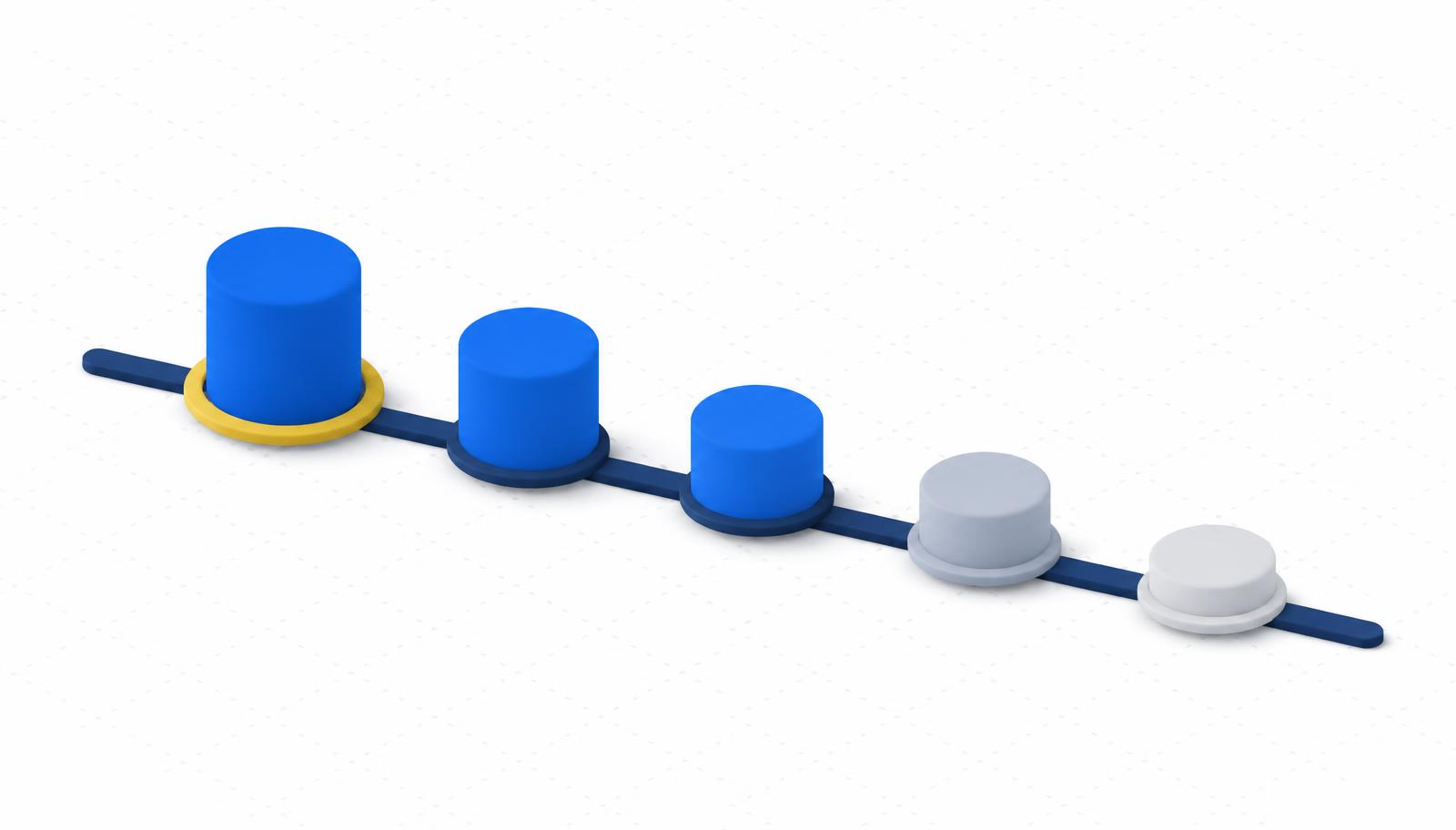
What does "fast" actually mean for a home-service lead?
Owners tend to overestimate their own speed. "We are pretty quick" usually means "we get to it the same day." But a lead's patience is measured in minutes, not hours, especially for urgent trades like HVAC, plumbing, and restoration, where the homeowner has a problem right now.
The honest test is not how fast you feel. It is the actual elapsed time between a lead arriving and a real human responding. Pull that number for last week. If you cannot pull it at all, that is finding number one: you cannot fix a response time you cannot see. If you can, look at the slow ones. Every lead that waited hours waited long enough for a faster competitor to win it. Visibility precedes control.
Where does response time quietly slip?
Response time rarely fails because someone is lazy. It fails in the handoffs:
- A form comes in and lands in an inbox nobody is watching.
- A call goes to voicemail during a job and no one circles back.
- An after-hours lead sits until morning, by which point the homeowner has moved on.
- A text comes in to a number that is not checked.
Each of these is a seam, a place where the lead depends on a person remembering, at the exact moment that person is busy doing the actual work. The busier the business, the wider the seams. That is why fast follow-up is almost never a discipline problem. It is a system problem wearing a discipline costume.
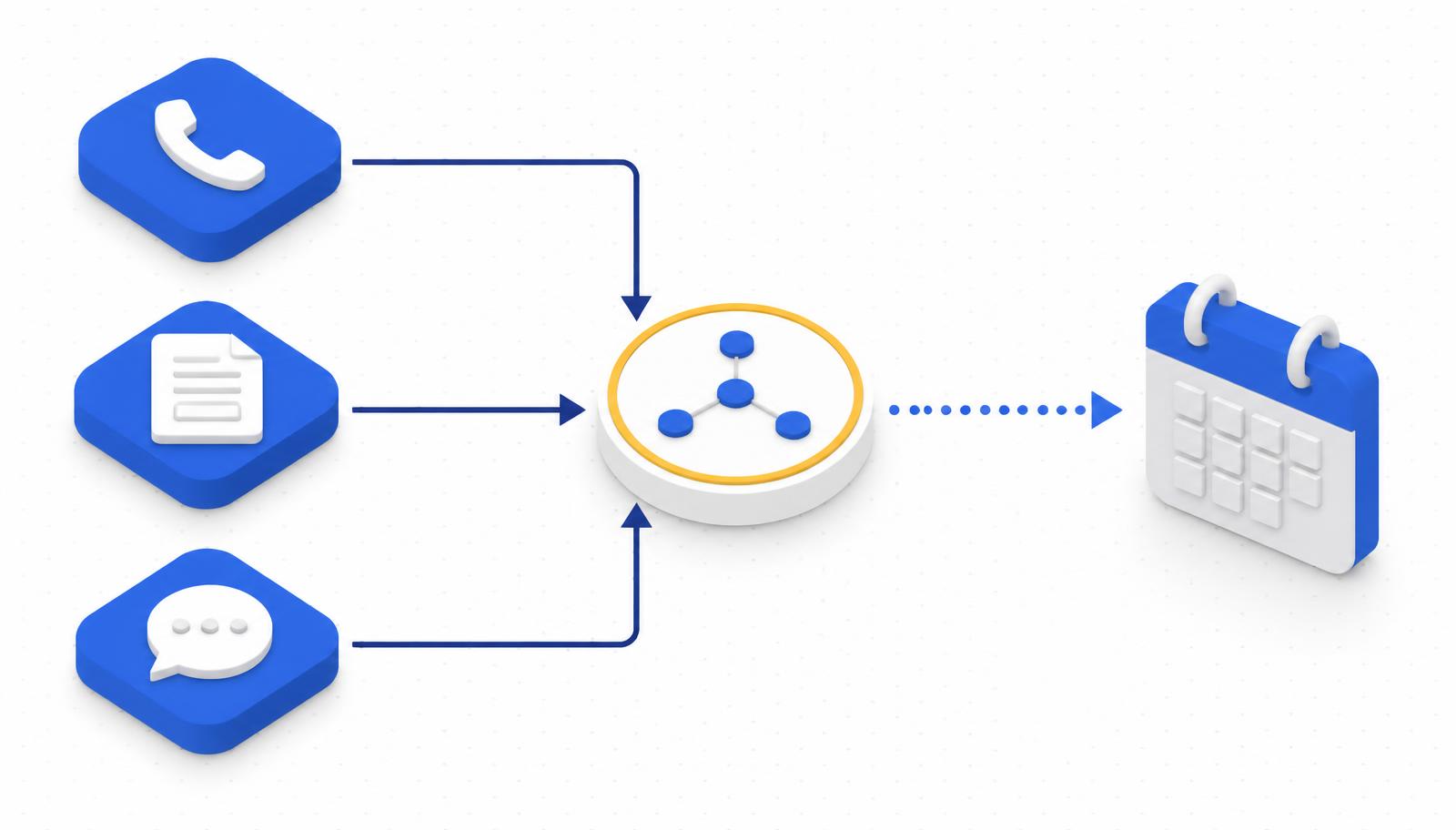
Why is follow-up a system, not one call?
Speed matters most on the first touch, but the job is often won on the third or fourth. Most leads do not answer the first call. They are on a roof, in a meeting, making dinner. The business that follows up, again and again, across call and text, until the homeowner decides, books work that the one-and-done company writes off as "did not answer."
The catch is that consistent follow-up is exactly the thing humans drop when they get busy. So the answer is not to try harder. It is to make follow-up automatic: every lead assigned an owner, every response enforced, every quote chased until it is a yes or a no, running whether or not anyone remembers. That is the heart of follow-up failure and ownership.
What changes when nothing sits?
When a business fixes speed to lead, the same marketing suddenly produces more booked jobs, because the leads were always there. They were just going cold in the wait. You stop buying more leads to make up for the ones you are losing, and start converting the ones you already paid for. That is the same problem behind getting leads but losing jobs.
That is the Capture and Convert pillar in plain terms: every lead answered fast, followed up until it decides, with nothing depending on memory. It is usually the cheapest, fastest win a service business can make, and it is the first thing Slaidel Consulting maps when we look at where your revenue is leaking. See how the install works. Systems before software.
Frequently asked questions
How fast should I respond to a lead?
As close to immediately as possible: minutes, not hours. Homeowners hire one of the first companies to call them back, so response time often decides the job before price or quality ever comes up.
Why am I losing leads to competitors?
Usually because they are responding faster. The lead is not lost in a fair comparison. It is lost in the gap between when it came in and when you called back. Fixing response time recovers jobs you already paid to generate.
What is speed to lead?
Speed to lead is the elapsed time between a lead arriving and a real person responding. It is one of the strongest predictors of whether a home-service lead becomes a booked job.